Table Of Content
- Newsom wants to build a $16-billion water tunnel. Will it destroy California’s delta?
- How a ‘death trap’ for fish in California’s water system is limiting the pumping of supplies
- Funeral arrangement under the care ofBurroughs Funeral Home and Cremation Services, LLC
- As fish deaths increase at pumps, critics urge California agencies to improve protections
- Restaurant Details
- Long Beach health officials declare tuberculosis outbreak a public health emergency
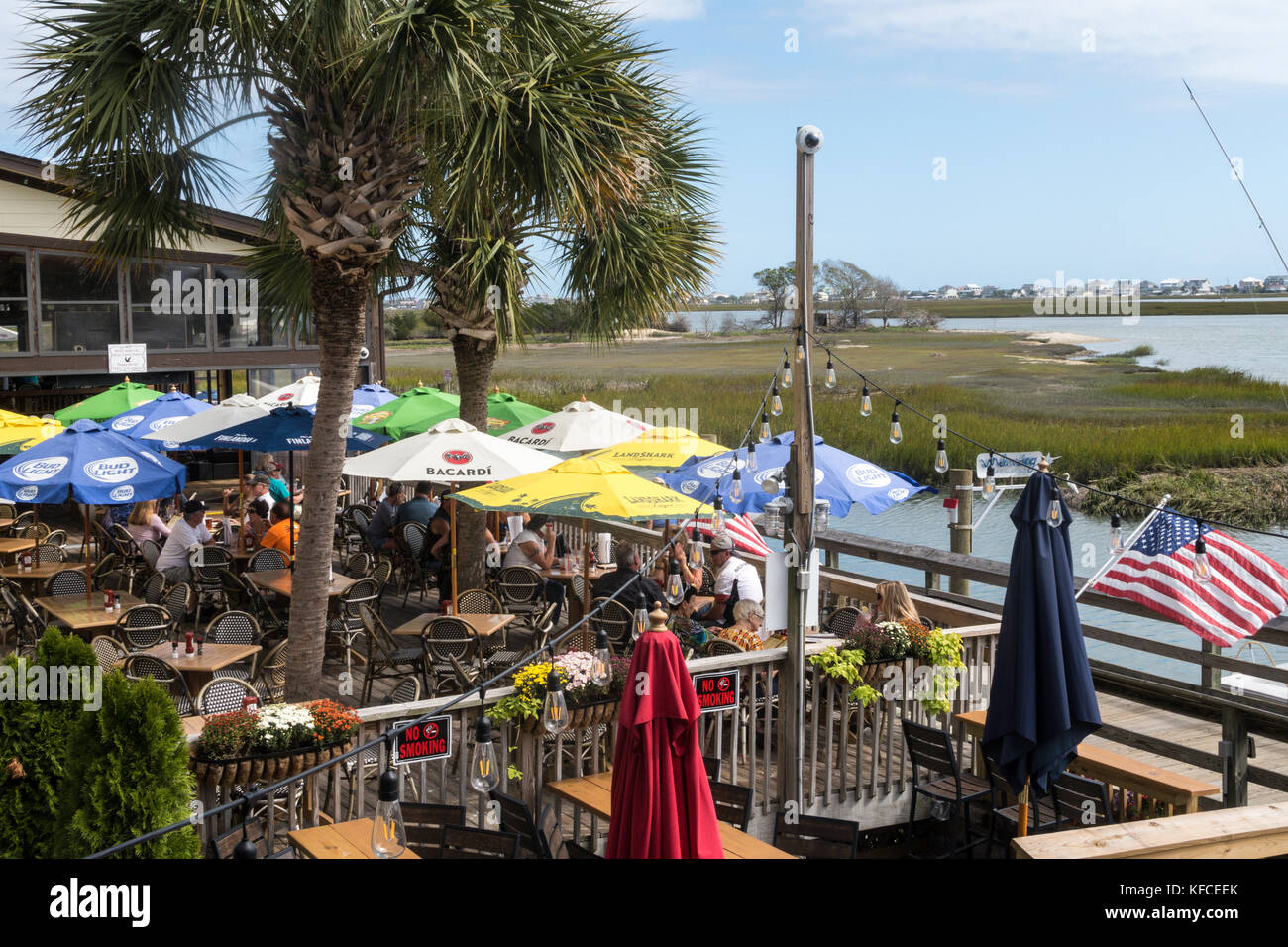
- Bubba's Fish Shack
- Column: The salmon industry faces extinction — not because of drought, but politics and government policies

Enclosed in levees, the shallow forebay is filled with nonnative striped bass and other predators, which feed on juvenile salmon, steelhead trout and other native fish. The process begins at a holding reservoir called Clifton Court Forebay, northwest of Tracy, where gates are regularly opened to allow water to flow in from the delta’s rivers and channels. Together, their criticisms have placed renewed attention on the half-century-old pumps and fish protection facilities that are critical linchpins of the State Water Project, one of the world’s largest water-delivery systems. The recent problems are also adding to the complex debate over how the state should manage water in the delta, and whether it should build a $16-billion water tunnel beneath the region.
Newsom wants to build a $16-billion water tunnel. Will it destroy California’s delta?
Experts are urging California officials to beware of pitfalls as they pursue water management agreements in the Sacramento-San Joaquin River Delta. Next, the bucket slid into position above a vat resembling a large cooking pot, and emptied its payload. In this vat, workers will count, identify and measure each fish by hand. As Miranda and others walked on a metal grate over the channel, two workers in hard hats stood on a platform spraying water to clean algae off a metal louver.

How a ‘death trap’ for fish in California’s water system is limiting the pumping of supplies
She said that’s one of the reasons Gov. Gavin Newsom has proposed building the Delta Conveyance Project, a 45-mile tunnel that would transport Sacramento River water beneath the delta and create a second delivery route. The department has also sought to improve the operation at the fish-collection facility by incorporating genetic testing technologies to more accurately differentiate between endangered and non-endangered types of salmon. California has increased water allocations to 40% of full allotments from the State Water Project.
Funeral arrangement under the care ofBurroughs Funeral Home and Cremation Services, LLC
The State Water Resources Control Board is considering new water quality standards that will determine how much water may be diverted and pumped, and how much should be allowed to flow through the delta. Officials at the Department of Water Resources say building the tunnel would enable the state to capture more water during wet periods while limiting harm to fish and reducing reliance on supplies from the “conflict zone” in the south delta. Environmental groups are urging water managers to scale back pumping until juvenile salmon and steelhead have finished migrating through the delta and into San Francisco Bay.
As fish deaths increase at pumps, critics urge California agencies to improve protections
New restaurant expected to be a catch for Murrells Inlet growth - WMBF
New restaurant expected to be a catch for Murrells Inlet growth.
Posted: Fri, 04 Dec 2015 08:00:00 GMT [source]
At the same time, some experts say state officials should continue examining ways of improving the existing infrastructure to better protect fish. One of those criticizing the state’s approach in the delta is Chris Shutes, executive director of the California Sportfishing Protection Alliance. He has argued that building the tunnel would cause more problems for fish and the ecosystem.
Restaurant Details
For several years, he and other state scientists carried out an experimental program to capture as many nonnative fish as they could. They used methods including stunning fish with an electric current and trapping them with nets, then releasing them in another reservoir. Some experts describe the forebay as a “death trap” for fish species that have suffered major declines in recent years. Featuring live North Atlantic lobster delivered bi-weekly by our very own refrigerated truck, The Claw House strives to offer the freshest seafood the Atlantic Seaboard has to offer.
The 5 Best Raw Bars in the Myrtle Beach Area - Grand Strand Magazine
The 5 Best Raw Bars in the Myrtle Beach Area.
Posted: Mon, 21 Oct 2019 13:15:06 GMT [source]
Last month, environmental groups called for state and federal agencies to reduce pumping after the estimated losses of steelhead trout and winter-run Chinook salmon exceeded maximum annual limits. First, a 90-gallon steel bucket with sieve-like perforations was lowered into one of the tanks on a cable. When it was lifted, water rushed out forcefully, filling the building with a crashing sound and causing metal railings to vibrate as a whirlpool formed in the bottom of the tank. During the tour of the Skinner facility, the pumping plant was not running, so there were no fish in the collection tanks. The captured fish pass through four large pipes, then enter other channels with louvers and screens, and finally travel through smaller pipes into the building, where they end up in 20-foot-wide concrete tanks. The spaces between the metal slats create ripples, and fish tend to swim away.
Bubba's Fish Shack
Based on the number of fish collected, the employees estimate how many are killed by predators in the forebay or sucked into the pumps. These estimates are tracked against limits in the facility’s permits under endangered species laws. The spike in fish deaths has angered environmentalists and fishing advocates, who argue the state draws too much water from the delta while failing to safeguard fish. Exactly how that might be done remains a dilemma, said Greg Gartrell, an engineer and former manager of the Contra Costa Water District. Some environmentalists have urged the state to redesign the reservoir and erect large screens that would prevent fish from being drawn into the forebay, but state water officials say that wouldn’t solve the problems.
The restrictions on pumping have demonstrated the challenges the state faces with the existing infrastructure and the location of the pumps, said Karla Nemeth, director of the Department of Water Resources. To prevent migrating fish from entering the south delta, the Department of Water Resources installed a fence-like system that creates a barrier of bubbles at the junction of the Sacramento River and Georgiana Slough in the north delta. Along with the bubbles, the system emits flashing lights and pulsating sounds that encourage fish to keep moving down the Sacramento River toward San Francisco Bay, away from the interior delta and the zone of the pumps. At full capacity, the pumping plant now consumes as much power as 211,000 homes. It pushes water 244 feet uphill and can send a river pouring into the aqueduct at a rate of up to 10,870 cubic feet per second. The water flows to farmland in the San Joaquin Valley and cities across Southern California.
At other times, pumping has been reduced to avoid harming endangered delta smelt, which are on the brink of extinction. Biologists have found that nearly all the fish that arrive in the building live through the process. Those fish that manage to avoid predators in the forebay next encounter an elaborate system of underwater barriers at the John E. Skinner Delta Fish Protective Facility, which has been operating since 1968.
The system funnels many of the fish toward pipes that carry them into the collection facility. Giant pumps hum inside a warehouse-like building, pushing water from the Sacramento-San Joaquin River Delta into the California Aqueduct, where it travels more than 400 miles south to the taps of over half the state’s population. The screens would need to be much larger than the existing louvers at the fish facility, and redesigning the system would be costly. But Shutes said this sort of upgrade, along with changes in pumping procedures, would lessen the toll on fish. For more than a decade, his group has urged the state to upgrade its infrastructure by installing fish screens at the entrance to Clifton Court Forebay that would keep many fish out and reduce losses to predators.
Miranda and his colleagues rode in a van to the forebay, passing green pastures where cattle were grazing among yellow blooming mustard. Two people stood with fishing poles on the banks of the shimmering reservoir, which covers nearly 2,200 acres. All the seafood was cooked perfectly which is pretty rare.l when getting grilled scallops, shrimp and flounder.
The state’s massive pumps, as well as nearby federal pumps that draw water into the canals of the Central Valley Project, are powerful enough that they regularly reverse the flow of water in parts of the south delta. The risk for fish is not just that they may be drawn into pump machinery and killed, but also that they will first be pulled into waters where they are easy prey for predators. Despite these efforts, managers of the State Water Project have so far limited this year’s allocation to 40% of suppliers’ full allotments — the same level that federal officials have set for agricultural water districts south of the delta. Miranda and other state officials acknowledge that there are significant shortcomings in the existing facilities, such as the forebay filled with predators, but say they are making improvements in operations. They also tout the infrastructure’s effectiveness at directing most fish away from the pumps and keeping the water flowing.


No comments:
Post a Comment